All Posts By

Pedro González

Team Building Microomics

Team Building Microomics

By | Uncategorized

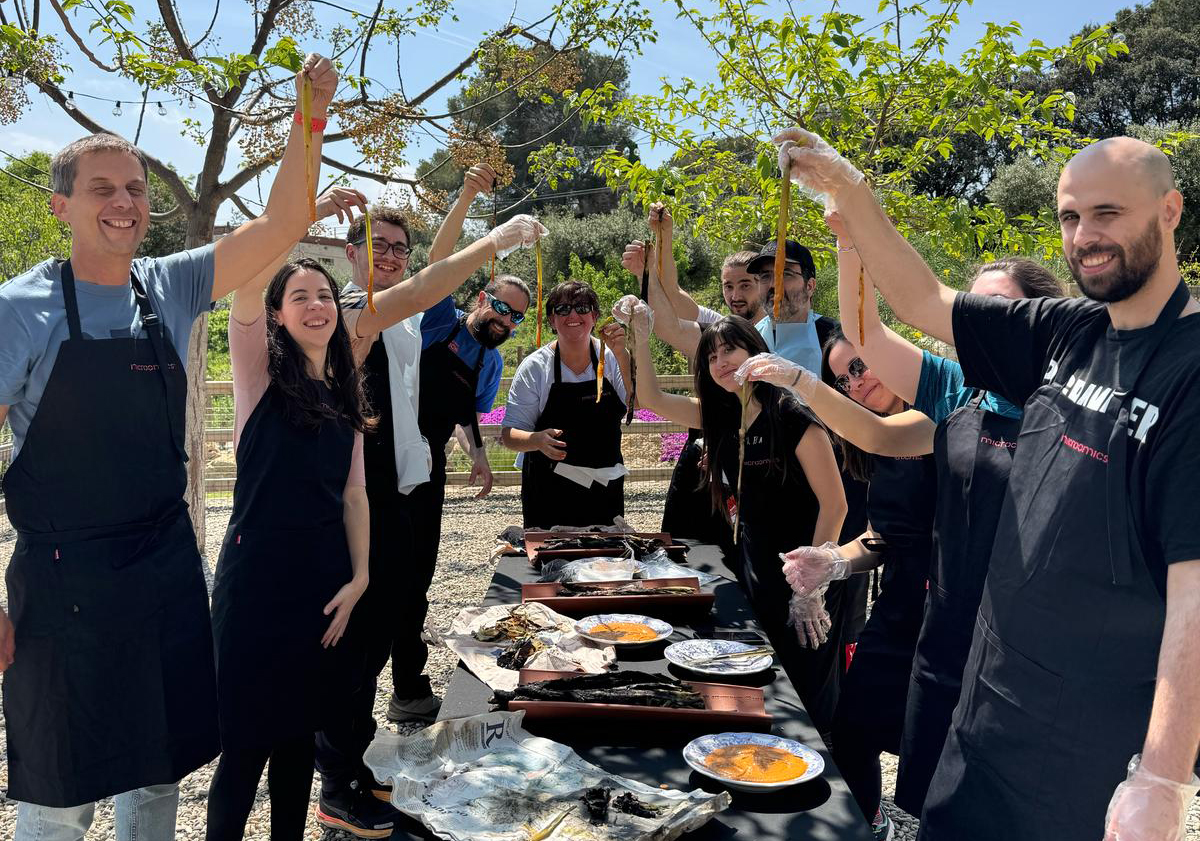
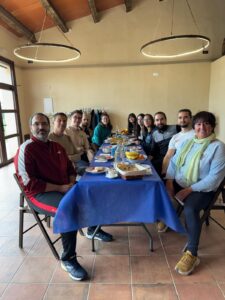
 Last 25th April, coinciding with World DNA Day, Microomics celebrated with its team the 1st edition of Team Building Microomics, a day of fun, learning and relaxation in a small oasis in the middle of nature, at Masía Can Robira in Els Hostalets de Pierola (near Montserrat, Barcelona). 

During the day, various sporting and culinary activities took place: archery and table tennis competitions, a visit and tasting of the farm’s products and a typical Catalan meal. 


The aim of these team dynamics is to strengthen the relationships between the members of the group, improve communication and encourage collaboration, to become a more cohesive team, motivated and ready to serve our clients better.


desayuno corp

desayuno corporativo


25 abril: Día internacional de ADN

25 April: International DNA Day.

By | Uncategorized

 Why was the DNA molecule chosen by evolution to store genetic information? 


 Today, 25 April, on International DNA Day, we look at some of the curiosities about the DNA molecule that have led to its selection as the form of genetic storage and transfer in plants, animals, fungi, archaea and bacteria. 


 There is a multitude of nucleic acid molecules involved in cellular processes (mRNA, rRNA, tRNA, siRNA, miRNA, etc.), but all of them specialise in temporary roles, acting as intermediaries in protein synthesis, structural components of ribosomes, transport of nucleic acids or regulation of gene expression. On the other hand, DNA, as a molecule, performs the same function of storing and preserving genetic information, suggesting that it is the result of an evolutionary process of specialisation at the molecular level. 


The RNA world hypothesis suggests that before DNA and proteins came to dominate life, RNA was the key molecule for storing genetic information and catalysing biochemical reactions. Unlike DNA, RNA can act as both genetic material and an enzyme (ribozyme), which would have allowed it to replicate itself and carry out primitive metabolic functions. Over time, DNA, which is more stable and efficient at storing information, replaced RNA. 


 What are the structural features that make DNA so stable? 


  1. Double helix structure. DNA has a double-stranded structure that provides mechanical and chemical protection.
  2. Absence of the hydroxyl group on the pentose. DNA uses deoxyribose as a sugar, whereas RNA uses ribose. Ribose has a hydroxyl group (-OH) on carbon 2′, which makes RNA more reactive and unstable, as it can undergo spontaneous hydrolysis in alkaline solutions.
  3.  Base pairing and hydrogen bonding. In DNA, the nitrogenous bases are protected within the double helix and stabilised by hydrogen bonds. 

  4.  Resistance to degrading enzymes, environmental stresses and errors in the molecule. Some of these are: 


  •  Base excision repair (BER), which uses DNA glycosylases to remove the damaged base and fill the gap with the correct base. 
  •  Nucleotide excision repair (NER) removes damaged segments of DNA, such as those caused by UV light (thymine dimers) or chemical agents. 
  •  Mismatch Repair (MMR), corrects replication errors such as base mismatches or small insertions/deletions. 
  •  Homologous recombination repair (HR), corrects double-strand breaks using an intact copy of the sequence as a template. 


 Despite its ubiquity and its discovery as ‘nuclein’ in 1869, we still do not fully understand all of its secondary functions or the functions of much of the genome of living organisms. An example of this is the phenomenon of microchimerism; fetal DNA has been found in the brains of mothers, suggesting a long-lasting biological link between mother and child, and the long-term effects of fetal DNA in the mother and its possible influence on postnatal health are being explored. 


 The development of new bioinformatics tools, artificial intelligence, database expansion and combination with other omics techniques is the way to further understand the functions of DNA and work on biotechnological applications, from disease prevention to food production or ecological conservation. 


At Microomics, we work on the taxonomic and functional information provided by this molecule to understand microbial communities in a variety of niches, as well as physiological processes at the cellular and molecular level, together with other omics information. 


What other curiosities about the DNA molecule would you highlight? 


Día mundial del clima

26 March: World Climate Day – Projects with diverse environmental matrices

By | Uncategorized

World Climate Day reminds us of the important role that environmental ecosystems play in our well-being and the importance of preserving them.

In recent years, we have encountered two major issues that need to be addressed together. One is the concept of One Health, which recognises that the health of marine, animal and environmental ecosystems is directly linked to human health and should be approached from a holistic perspective. On the other hand, agricultural production methods have been redirected towards conservation and sustainability, sometimes to the detriment of the farmer’s work, often without giving them the recognition they deserve for maintaining niches of biological value and microbial ecology.

There is only one answer to solving both problems and finding new production methods that respect nature: science.

In particular, the study of microbial communities has proven to be an essential tool in bioremediation projects, alternatives to chemical products, understanding interactions in biogeochemical cycles or in the search for microorganisms with biotechnological potential, among others.

At Microomics Systems, we have developed metagenomic techniques and protocols for the sampling, purification and study of microbial communities in matrices as complex and interesting as:

  • Soils, sludges and soils with high salt and heavy metal content.

  • Indoor and outdoor filtered air samples.

  • Plant surfaces, from the vegetative part of the plant to the fruit, including biofilm studies.

  • Marine and fresh water, where bacteria and fungi with metabolic biodegradation capabilities are sought, as well as bacteriophages involved in the control of pathogenic bacteria for fish farming or agriculture.

  • Surfaces in animal production facilities, as well as faeces, biopsies and skin samples from animals.

Día mundial clima

Write to us and tell us about your project. We will be able to advise you and provide solutions from experimental design and sampling to the most appropriate type of analysis, depending on the biological objectives of the project. Our mission is to provide answers to specific questions using omics technologies.

What other applications of metagenomics would you highlight for climate protection?

We read you.

Día Internacional de las Mujeres y las Niñas en la Ciencia 

International Day of Women and Girls in Science

By | Uncategorized

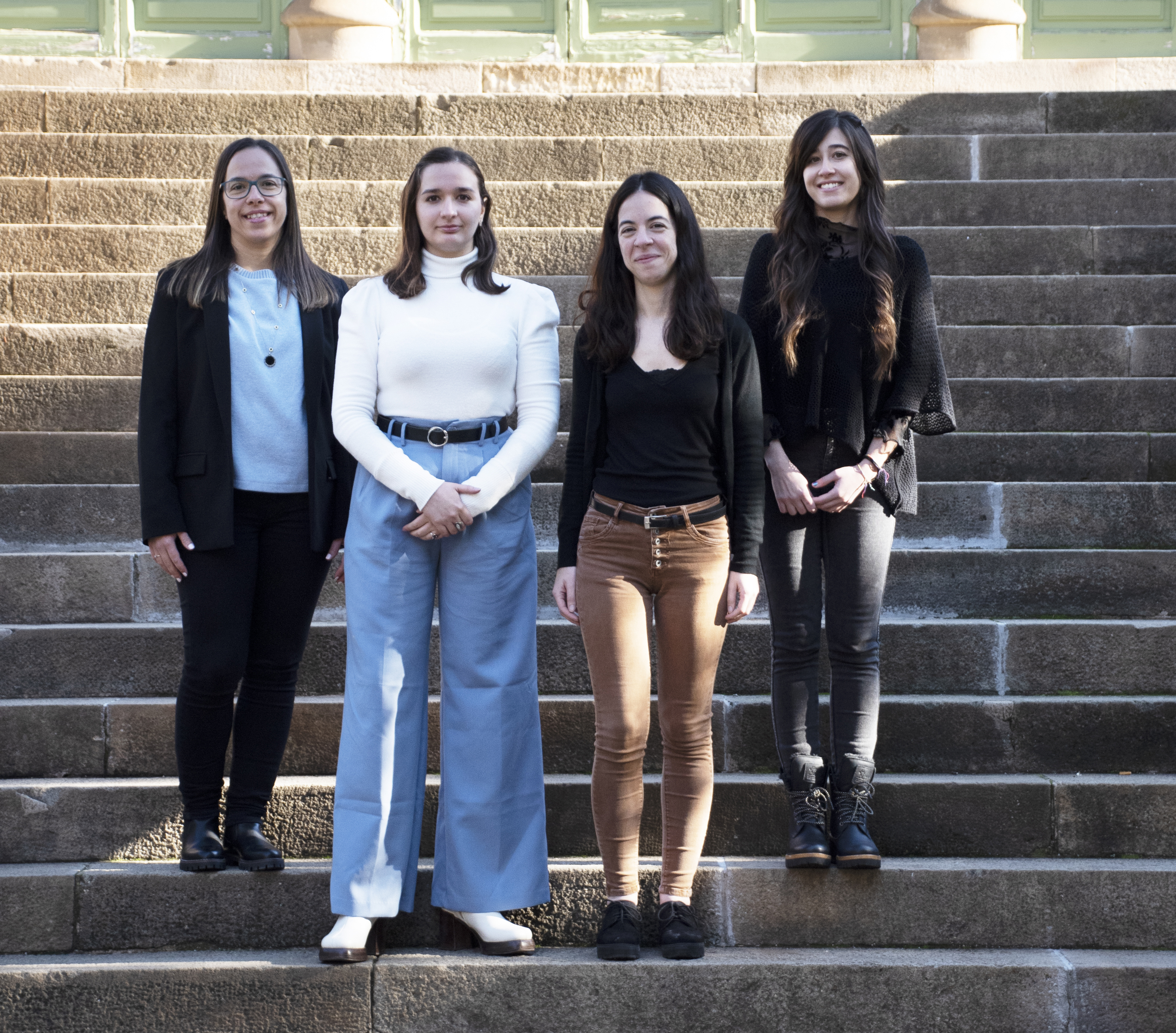
 Microomics Molecular Lab Staff and Project Manager 


The United Nations General Assembly proclaimed 11 February 2015 as the International Day of Women and Girls in Science, in recognition of the key role played by women in science and technology, and to promote their full and equal access to and participation in science. 

Throughout history, many different women have made decisive contributions to the development of science and technology. However, very few have received the recognition they deserve. Only 3% of women have won the Nobel Prize in the scientific disciplines of Medicine, Physics and Chemistry. 

Currently, only 29.3% of the world’s researchers are women, according to UNESCO. And only 22% of business start-ups in Spain are run by women. 

These figures show that there is still a long way to go to achieve equality, that there are still gender, salary and career gaps in the world of research, and that there is a lack of training in entrepreneurship. 

It is essential that educational institutions commit themselves to activating policies that promote women’s and girls’ access to science and research, providing resources and developing programmes that empower them, make them visible and provide them with better and more effective support, as this is essential for economic development and social justice. 

Día mundial del cáncer

World Cancer Day: Unite for the one and only

By | Uncategorized

World Cancer Day: Unite for the one and only

We have known for years that cancer is not a single disease, but rather a collection of related diseases involving biochemical and genetic errors within cells, and that it can occur anywhere in the body.

Very simply, there are two driving forces that contribute to the development of a malignant tumour; DNA damage and inflammatory processes.

DNA damage can result from inherited mutations in genes such as BRCA1 and BCRA2 (associated with breast and ovarian cancer) or suppressor mutations in protective genes such as TP53. In addition to inherited mutations, ‘de novo’ mutations can occur without a previous history, or can even be localised to a particular type of cell, due to exposure to carcinogens such as tobacco, asbestos or pesticides. In this case, genomic analysis can provide a lot of information in terms of prevention, diagnosis and prognosis, especially if there is a family history.

Inflammatory processes: a prolonged state of inflammation can increase the likelihood of cancer developing, either by acting as a ‘trigger’ in the presence of a previous mutation or even in the absence of one. Inflammation is the body’s defence mechanism against stress factors. This is where we can work on prevention by taking measures to maintain a low level of inflammation (not smoking, avoiding a sedentary lifestyle, Mediterranean diet, omega-3, etc.) There are other biological factors that maintain a state of chronic inflammation, such as the bacterium Helicobacter pylori, which increases the risk of gastric cancer or other microbial dysbioses.

Omics technologies are essential to characterise and understand the different tumour environments, not only to find therapeutic targets, but also to understand their development and work on their prevention.

An example of this is the association of microbiota signatures with colorectal cancer, where we found bacteria such as Fusobacterium nucleatum, typical of the oral cavity and present in periodontal processes, demonstrating the importance of the oral microbiota in systemic health.

At Microomics Systems, S.L. we work on the transcriptomic and metagenomic characterisation of tumour biopsy samples at level, solving the problems that most of these types of samples present, such as low microbial load or RNA degradation. Following this line, we have characterised samples of cerebrospinal fluid, intestinal biopsies, amniotic fluid or brain tissue, as well as other more common matrices in these cases, such as faeces or saliva.

In short, the study of the microbial communities present in the oncological process in a localised or delocalised manner may lead to new ways of approaching this disease.

Write to us and tell us about your project. Together we can add up.

Microomics participa de nuevo en el Congreso de la SEMPyP

Microomics participates again in the SEMPyP Congress

By | Uncategorized

Microomics consolidates as a member of the CAI (Industrial Advisory Committee), and we will be at stand no 8 of the SEMPyP Congress (Spanish Society of Microbiota, Probiotics and Prebiotics), which will be held at the Hotel NH Constanza and Auditori l’Illa in Barcelona, on February 19, 20 and 21, 2025.

It is a new opportunity to have a multidisciplinary vision and exchange knowledge and experiences, and to be updated on the latest news about the microbiome, improve our immune system and our ability to prevent and treat diseases.

We are waiting for you!

More information at: https://www.congresosemipyp2025.es

Microomics celebra su 7º Aniversario ampliando y reforzando sus equipos

Microomics celebrates its 7th anniversary by expanding and strengthening its facilities

By | Uncategorized

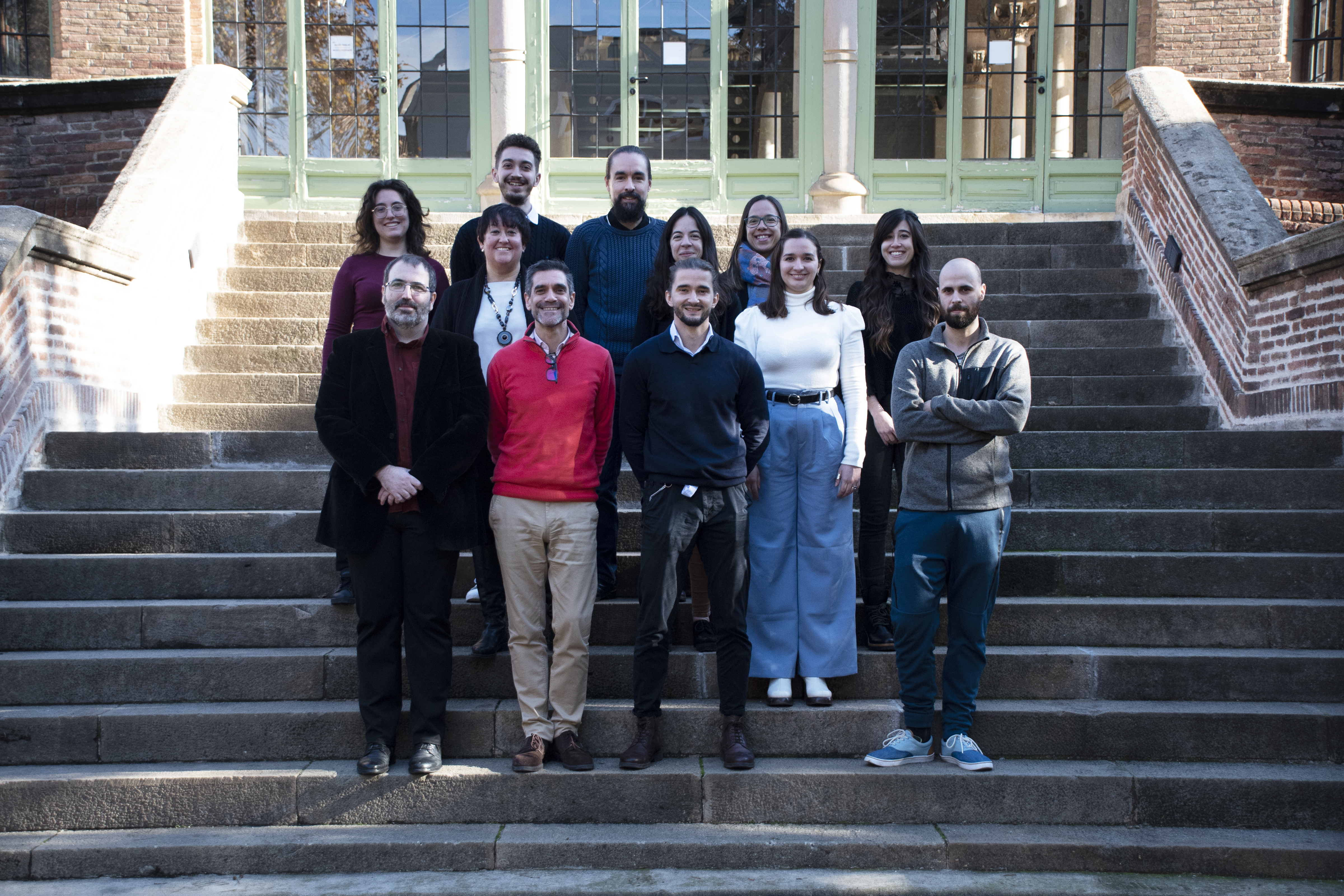
This milestone coincides with the expansion of bioinformatics analysis and computational capabilities, as well as the increase of molecular biology laboratory equipment in our own clean room and our great human team, to consolidate our position as a national and European leader in metagenomic analysis for the development of projects in a comprehensive scientific core. 

The commitment to a dual model of investment in R+D+i and feedback in dedicated services and products has allowed Microomics to coordinate microbiome analysis assays in more than 500 projects, from more than 50 different types of matrices, in the 4 main sectors of action: human health, animal health, agriculture and industry. 

None of this would have been possible without the motivation, effort and passion of the entire team and the loyalty of our clients. 

We celebrate all these milestones and thank you for being with us and helping us to continue to grow. 

The Microomics Team wishes you a Merry Christmas and a prosperous 2025 full of scientific challenges that we can walk through hand in hand. 


Día Mundial del Suelo – El papel de la microbiota en el lodo de Valencia tras la DANA

Día Mundial del Suelo – El papel de la microbiota en el lodo de Valencia tras la DANA

By | Eventos, Uncategorized, Sobre Microomics

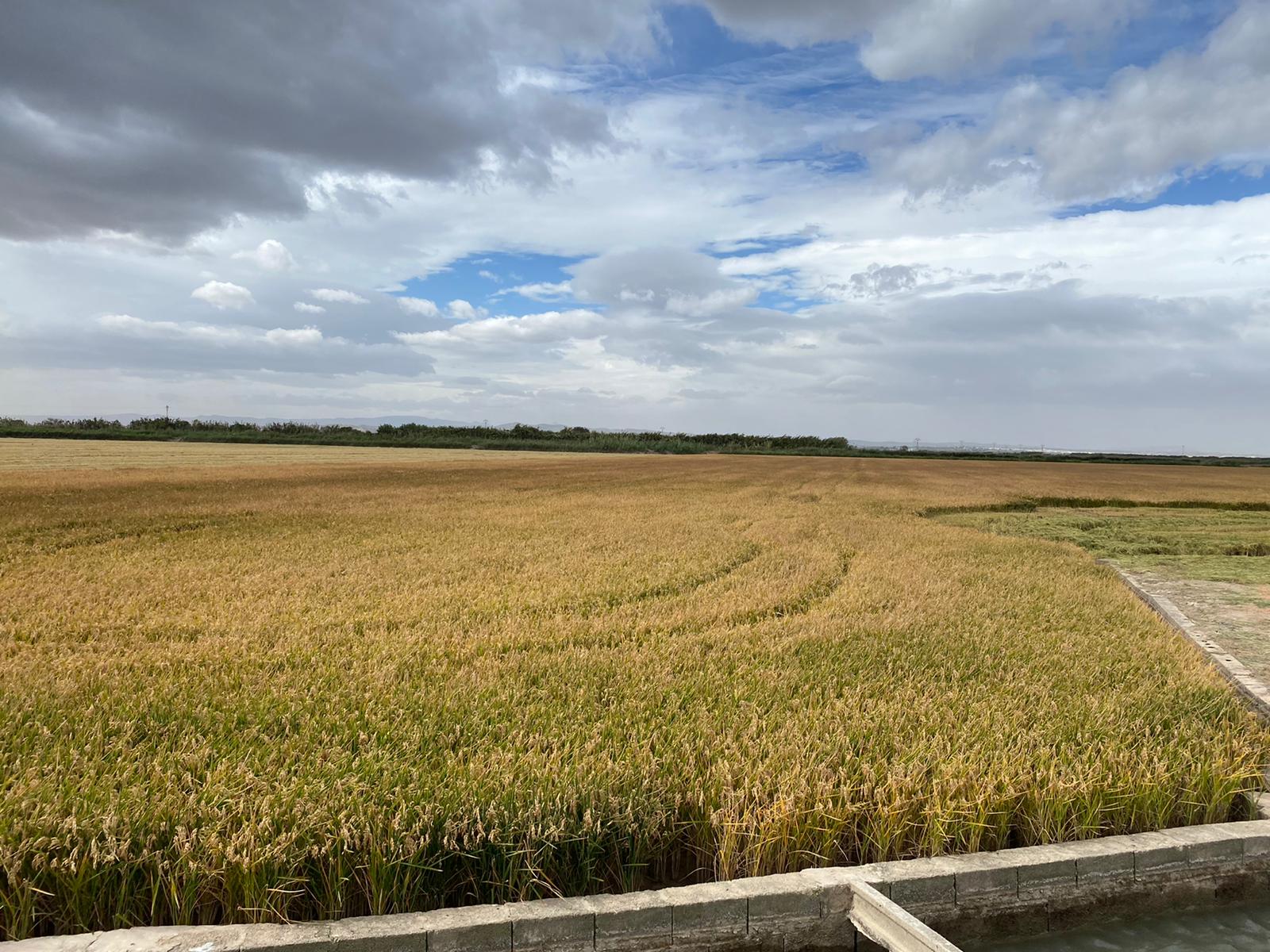
Hoy, 5 de diciembre, se conmemora el Día Mundial del Suelo, una efeméride para concienciar sobre la importancia del suelo como recurso clave para la vida y sobre su conservación y uso sostenible para garantizar la seguridad alimentaria y la salud de los ecosistemas, lo que incluye también su vínculo con el agua. De hecho, el suelo es por sí mismo un ecosistema muy diverso y rico, donde conviven multitud de organismos vivos, tanto microorganismos, como organismos más complejos. 


Tras un mes de las inundaciones provocadas por la depresión aislada en niveles altos (más conocida por sus siglas, DANA), se ha hecho evidente el papel de la microbiota en los lodos aún presentes en muchas de las zonas afectadas. Con un escenario tan proclive a las proliferaciones bacterianas, diversos microorganismos que se encuentran en el lodo han sido responsables de fenómenos como, el mal olor que impregna las calles, o la propagación de algunas enfermedades. 


El origen del mal olor 

La descomposición de la materia orgánica arrastrada por el lodo, que incluye tanto residuos vegetales como animales, ha podido favorecer el crecimiento de bacterias como Clostridium o Desulfovibrio, que producen gases, como el sulfuro de hidrógeno durante los procesos de descomposición, o Pseudomonas, habituales de suelos húmedos, y que pueden generar compuestos volátiles. Bacterias de los géneros Bacillus y Actinomyces también suelen estar presentes en materia orgánica en descomposición, aunque no todas producen malos olores. 


Riesgo de enfermedades infecciosas 

La exposición al lodo y al agua estancada aumenta el riesgo de enfermedades infecciosas para la población. En desastres naturales de estas características, la principal causa de infección son las enfermedades diarreicas, producidas por la contaminación fecal del agua y el suelo. La ingesta de agua o comida contaminadas por patógenos como Escherichia coli, Escherichia shigella o Salmonella pueden producir cuadros de gastroenteritis, particularmente en personas con sistemas inmunitarios comprometidos. 

Por otro lado, el arrastre de suelos de zonas no urbanas ha podido contaminar los lodos con Leptospira, la bacteria responsable de la leptospirosis, que se encuentra en suelos contaminados por orina de animales infectados, principalmente roedores, o con Clostridium tetani, responsable del tétanos. El contacto de heridas abiertas o mucosas con el lodo podría producir la infección por estas bacterias, de ahí la importancia de utilizar los equipos de protección individual (EPI), para evitar contagios durante las tareas de limpieza. 


Cambios en la diversidad bacteriana del suelo 

Las inundaciones producen un impacto sobre la microbiota del suelo, alterando su equilibrio y diversidad bacteriana. La entrada masiva de agua y la deposición de residuos orgánicos favorecen el crecimiento de microorganismos que no suelen proliferar en condiciones normales. A medida que el lodo empieza a secarse y el suelo retoma su ciclo natural, se espera una reorganización de la comunidad microbiana que podría llevar semanas o meses, dependiendo de factores como la humedad, la temperatura y la disponibilidad de nutrientes. A nivel ecológico, esta alteración de la microbiota puede tener consecuencias a medio y largo plazo en la salud del suelo, y en su capacidad para sostener la vegetación y la agricultura en las zonas afectadas. 

En el contexto del Día Mundial del Suelo, los efectos de la DANA en Valencia nos recuerdan la importancia de mantener la salud de los suelos, y de la microbiota que en ellos habita, ya que su equilibrio es fundamental para la vida y la salud pública. La recuperación de las zonas afectadas requiere no sólo de la retirada de lodos y aguas estancadas, sino también de la aplicación de medidas de rehabilitación del suelo, que permitan restaurar su diversidad bacteriana, y asegurar su capacidad para sostener los ecosistemas y actividades humanas que dependen de él. 

Microomics publica dos artículos sobre la importancia de la microbiota en el tratamiento del acné

Microomics publishes two papers on the importance of microbiota in the treatment of acne

By | Uncategorized

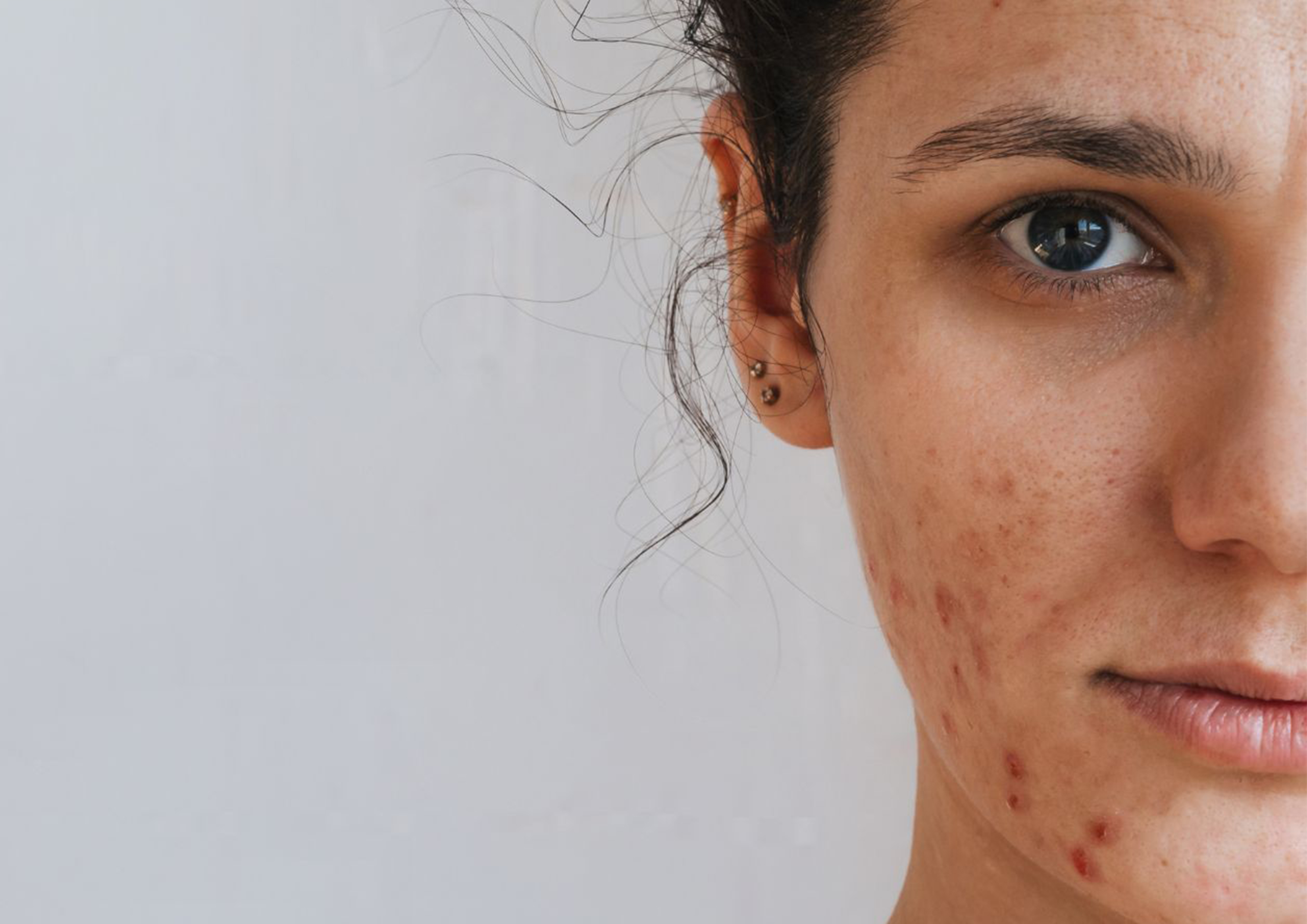
 The Microomics team is pleased to announce the publication of two new scientific papers as part of an acne treatment study in which we have been involved. The aim of the work was to evaluate a novel biotechnological phytocomplex and its ability to rebalance the skin microbiota in areas affected by mild to moderate acne. The studies focus on two affected areas of the body: the face and the trunk. 


Both studies demonstrated that 56 days of use of a topical lotion containing natural ingredients such as Camellia sinensis and Morinda citrifolia, together with niacinamide and succinic acid, resulted in significant improvements in the skin microbiota and the appearance of acne. A 27% reduction in acne severity according to the Investigator’s Global Assessment acne severity (IGA) scale was observed in both areas, with 42-52% reductions in inflammatory and non-inflammatory lesions, as well as sebum production and redness intensity. 


Our metagenomic analyses showed an increase in bacterial diversity in the samples after treatment. Under pathological conditions, bacterial profiles often lose diversity due to the unbalanced growth of one or a few species that promote or facilitate the symptomatology observed in the post-treatment samples. 


An increase in diversity could indicate a return to equilibrium. In fact, this increase in diversity was accompanied by a reduction of up to 10 percentage points in Cutibacterium acnes, a bacterium closely associated with the development of acne as it promotes the breakdown of skin components and the inflammatory response when present in high proportions. 


Studies conclude that the lotion is effective not only in reducing acne lesions, but also in restoring skin homeostasis by inhibiting biofilm formation and the activity of bacterial virulence factors. Balancing the microbiota results in a visible improvement in acne symptoms, suggesting that this approach may be a valuable tool in the treatment of mild to moderate acne on the face and body. 


At Microomics, we believe that research such as this is crucial to advancing the understanding of the role of the microbiota in skin disease. The results not only add to scientific knowledge, but can also have a positive impact on people’s lives by providing more effective and safer solutions for dermatological treatment. We are proud to have been part of this study and to have contributed to the improvement of human health. 


Sources: 

Programa Torres Quevedo 2023

Microomics opens a new line of research funded by the Torres Quevedo 2023 Programme

By | Uncategorized

Microomics receives its third industrial research grant from the Torres Quevedo Programme, a support from the Spanish Ministry of Science and Innovation within the framework of the National Plan for Science, Research and Innovation 2021-2023. This funding will launch a new research project: Nutriomics, a metagenomics platform for the screening of precision nutraceutical solutions focused on the development of advanced tools for the validation of nutraceutical products in the field of animal and human reproductive health. 

The microbiota, the set of microorganisms that inhabit a given environment, plays an essential role in health. In the reproductive context, the microbiota influences key aspects of fertility. For example, imbalances in bacterial diversity, known as dysbiosis, are associated with reproductive problems, affecting the quality of gametes and the environment conducive to fertilisation and foetal development. 

The Nutriomics project addresses these challenges by creating a nutraceutical validation platform focused on assessing their effect on the microbiota. The platform will combine next-generation genetic sequencing (NGS) technologies and advanced bioinformatics methods to validate the effects of probiotics, prebiotics and other dietary supplements on the microbiota of the human and animal reproductive tract. 

This development represents a groundbreaking step for the nutraceutical sector in Spain and Europe. The platform will open up new opportunities for the creation of scientifically backed products that can be used in human and animal health, nutrition and agricultural production. Nutriomics will benefit customers by providing reliable analysis that allows professionals to track effects on a personalised basis. This innovative tool will position Microomics as a leading platform for the validation and screening of nutraceuticals in the microbiome. 

With the support of the Torres Quevedo grant, Microomics reinforces its commitment to research and development of innovative solutions that translate science into tangible benefits for society.