Category

Uncategorized

Congreso Internacional del Microbioma 2025 en Córdoba

Microomics asistirá al Congreso Internacional del Microbioma 2025 en Córdoba.

By | Uncategorized, Sobre Microomics

El 28 y 29 de octubre de 2025, Córdoba acogerá el Congreso Internacional del Microbioma, el evento líder en biotecnología aplicada a la agricultura. En Microomics, especialistas en análisis de microbioma y metagenómica, anunciamos con orgullo nuestra participación en esta cita que reunirá a más de 1.500 profesionales de 32 países.


Un encuentro de referencia global

El Congreso Internacional del Microbioma se ha consolidado como el foro más importante para debatir sobre las aplicaciones de los microorganismos en agricultura. La última edición reunió a expertos, investigadores y empresas innovadoras que presentaron los avances más recientes en tratamientos biológicos y estrategias sostenibles para el sector agroalimentario.


El papel del microbioma en la agricultura sostenible

La investigación en microbioma es esencial para afrontar los desafíos actuales del sector:

  • Optimizar la salud del suelo y los cultivos.
  • Reducir el uso de productos químicos mediante soluciones basadas en microorganismos.
  • Impulsar una agricultura más sostenible y respetuosa con el medioambiente. 

En Microomics, aportamos nuestra experiencia en metagenómica y servicios 360º para ofrecer análisis avanzados que permiten descubrir, comprender y aplicar el potencial del microbioma en proyectos agroalimentarios.


Microomics en el Congreso Internacional del Microbioma 2025

Durante el congreso, tendremos la oportunidad de:

  • Compartir nuestro conocimiento científico y aplicado.
  • Establecer contactos con líderes internacionales del sector. 

Mostrar cómo la metagenómica puede marcar la diferencia en el futuro de la agricultura sostenible.


El Congreso Internacional del Microbioma 2025 será una cita clave para impulsar la innovación en el sector agroalimentario. En Microomics estamos encantados de formar parte de este encuentro global y contribuir con nuestra visión y experiencia en el análisis del microbioma.

? Te invitamos a seguirnos en LinkedIn y contactarnos para conocer más sobre nosotros.

Conoce al equipo de Microomics: perfiles expertos en microbioma y metagenómica

Conoce al equipo de Microomics: perfiles expertos en microbioma y metagenómica.

By | Uncategorized, Sobre Microomics

En Microomics, creemos que la diferencia no solo la marca la tecnología, sino también el equipo humano que hay detrás de cada análisis, cada informe y cada innovación.

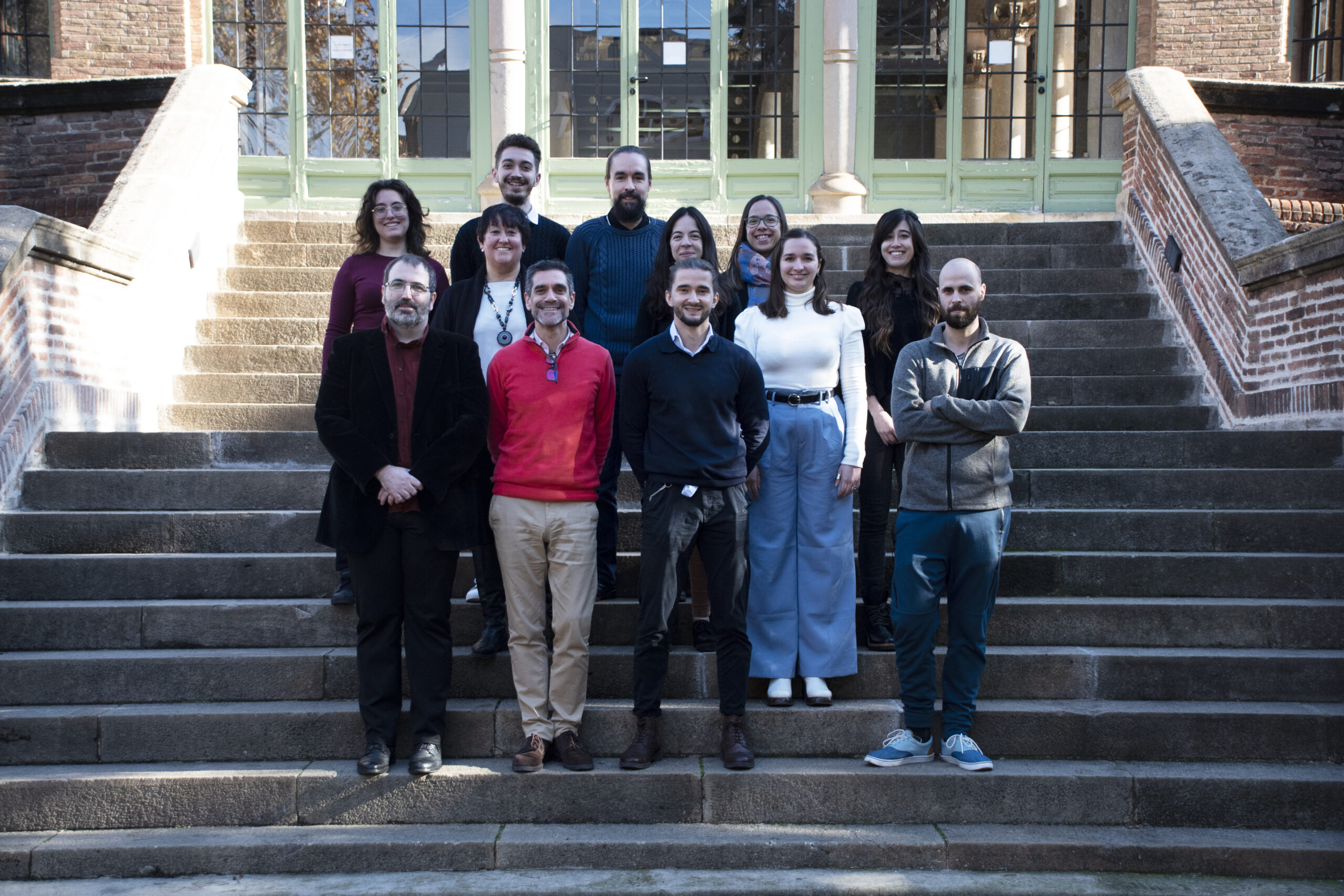
Nuestro equipo multidisciplinar combina perfiles altamente especializados en biología, bioinformática, laboratorio, estrategia comercial y gestión de proyectos. Juntos, trabajamos con un propósito común: avanzar la ciencia del microbioma y ofrecer soluciones que impactan positivamente en la salud, la sostenibilidad y la investigación.

Hoy presentamos a una parte del equipo. Próximamente presentaremos al resto del personal.


Nuestro equipo humano

? Jordi Navarro (CEO)
Experto en estrategia y marketing con más de 25 años en el sector salud. Lidera Microomics desde una visión empresarial sólida y orientada al crecimiento y la innovación científica.

? Pedro González (Co-Fundador y CSO)
Doctor en Ecología Microbiana Molecular y referente en investigación metagenómica. Impulsa la excelencia científica y la transferencia del conocimiento a soluciones aplicadas.

? Nerea Carrón (Manager de Bioinformática)
Responsable de la interpretación de datos genómicos complejos y generación de insights clave para nuestros clientes.

? Adrià Cruells (Analista Bioinformático)
Investigador con foco en el microbioma humano, salud intestinal y su aplicación clínica.

? Antonio Sánchez Baos (Analista Bioinformático)
Con experiencia en oncología, genética y metagenómica, transforma datos en conocimiento útil para distintos sectores.

? Miguel Ramírez (Director Comercial)
Conecta ciencia y mercado identificando oportunidades, traduciendo necesidades en soluciones viables y personalizadas.

? Alfredo García (Especialista Científico)
Aplicación de técnicas ómicas en salud, agricultura y producción animal, aportando una visión global y experimental.


Conocer al equipo que trabaja detrás de una empresa científica no solo genera confianza, sino que también pone en valor la calidad humana y el conocimiento técnico que hay en cada paso del servicio.

En Microomics, creemos que la ciencia con propósito se construye desde las personas.

¿Quieres trabajar con nosotros o saber más? Escríbenos y hablamos ?

¿Qué nos hace únicos? Así funciona el servicio 360º de Microomics.

¿Qué es el servicio 360º de Microomics y por qué marca la diferencia en tus estudios del microbioma?

By | Uncategorized, Sobre Microomics

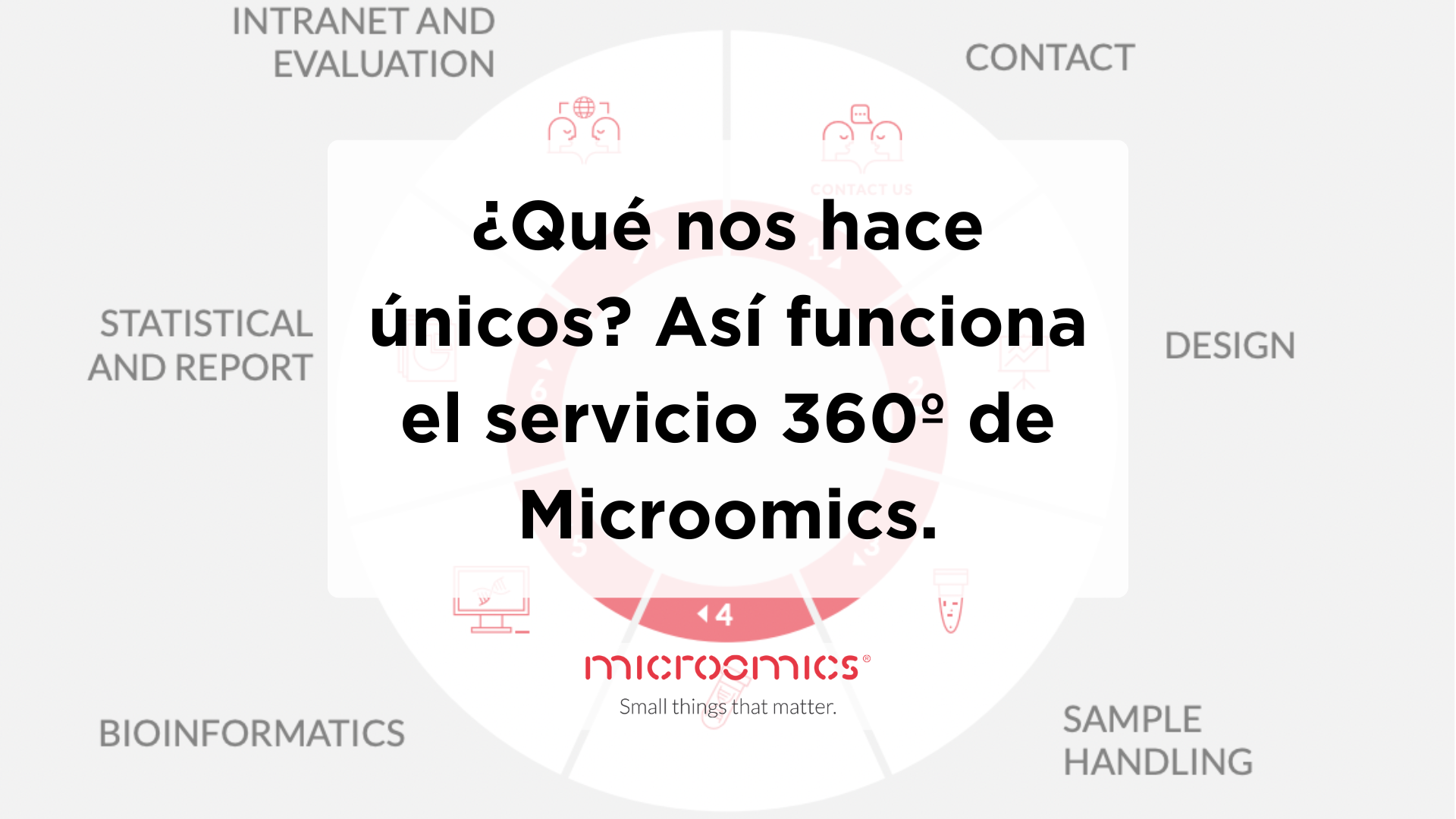
En el mundo de la investigación científica y la biotecnología, el análisis del microbioma se ha convertido en una herramienta imprescindible para proyectos de I+D. Pero obtener resultados relevantes y aplicables no depende solo de tener datos: depende de cómo se diseña, ejecuta e interpreta cada fase del proceso. En Microomics, lo sabemos. Por eso, desde 2017, ofrecemos un servicio 360º que cubre todo el ciclo de análisis metagenómico, adaptado a las necesidades reales de cada cliente.


¿Qué incluye el servicio 360º de Microomics?


? 1. Diseño experimental personalizado
Antes de comenzar, nos reunimos para comprender los objetivos del proyecto así como otros ensayos o variables que puedan estar relacionadas. Diseñamos el estudio a medida para asegurar la calidad de los resultados desde la recogida de muestras. Un buen diseño inicial evita errores futuros.


? 2. Procesamiento y preparación de muestras
Aplicamos protocolos validados y controles rigurosos para garantizar calidad de los ácidos nucleicos y la integridad de las librerías antes de la secuenciación. Esto reduce variabilidad y aumenta la robustez del análisis. Trabajamos en sala blanca, además de introducir controles positivos y negativos en diferentes parte del proceso.


? 3. Secuenciación y análisis bioinformático
Utilizamos tecnologías de secuenciación masiva y herramientas de bioinformática avanzada. Nuestro enfoque no solo describe: interpreta. Te ayudamos a encontrar lo que realmente importa en tus datos.


? 4. Entrega de resultados comprensibles + asesoramiento científico
Nuestros informes no son un PDF más. Mostramos los datos en formato dinámico, donde podrás descargarte tablas, gráficos y figuras, o adaptarlas a tu publicación. Explicamos los resultados, los conectamos con tu hipótesis y te asesoramos sobre cómo aplicarlos o validarlos.


¿Por qué elegir este enfoque integral?

Porque sabemos que detrás de cada proyecto hay una inversión de tiempo, recursos y expectativas. Nuestro servicio 360º te permite ahorrar tiempo, reducir errores y avanzar con una base científica sólida y acompañamiento continuo.


¿Quieres saber más?

Si estás trabajando en un proyecto de investigación en microbioma o quieres integrar el análisis metagenómico en tus procesos de I+D, cuéntanos tu caso. Estaremos encantados de ayudarte.

? Escríbenos y descubre cómo trabajamos.

¿Qué es la metagenómica y por qué puede transformar tu investigación?

¿Qué es la metagenómica y por qué puede transformar tu investigación?

By | Uncategorized, Sobre Microomics

¿Qué es la metagenómica?

La metagenómica es el análisis del material genético presente en comunidades microbianas completas, sin necesidad de cultivar organismos en laboratorio. Esta tecnología permite estudiar el microbioma de cualquier entorno —humano, vegetal, ambiental o industrial— con una profundidad y precisión sin precedentes.


¿Qué se puede analizar?

Las muestras pueden proceder de:

  • Suelo, agua, alimentos o tejidos humanos
  • Superficies industriales
  • Ambientes controlados como invernaderos o laboratorios


¿Qué se puede descubrir con la metagenómica?

  • La composición de microorganismos presentes.
  • Genes funcionales y rutas metabólicas.
  • Presencia de patógenos o resistencias.
  • Cambios tras tratamientos o condiciones externas.


¿Por qué es clave en proyectos de I+D?

La metagenómica aporta datos objetivos que facilitan decisiones estratégicas. Permite entender cómo interactúan los microorganismos entre sí y con su entorno, impactando directamente en áreas como:

  • Salud humana y microbiota.
  • Agricultura sostenible.
  • Evaluación ambiental.
  • Procesos industriales bio-basados.


Microomics: tu socio experto en análisis metagenómico

Microomics acompaña a instituciones científicas, hospitales, centros de investigación y empresas privadas en el desarrollo de estudios metagenómicos completos: desde el diseño experimental hasta la entrega de resultados interpretables y aplicables.


¿Quieres saber más?

Escríbenos y descubre cómo podemos ayudarte a aplicar la metagenómica a tus proyectos de I+D.

La ciencia detrás de las decisiones que cambian vidas

La ciencia detrás de las decisiones que cambian vidas: la mirada del investigador.

By | Uncategorized, Sobre Microomics

La ciencia que hay detrás de cada decisión

En Microomics, creemos que cada dato puede marcar la diferencia. Pero los datos, por sí solos, no cambian el mundo. Lo hacen las personas que los interpretan con criterio, sensibilidad y compromiso. Nuestros investigadores son el motor de esa transformación.


Detrás de cada proyecto, una motivación humana

Detrás de cada proyecto de microbioma que desarrollamos —sea en el ámbito de la salud, la agricultura, el medioambiente o la industria— hay un objetivo claro: mejorar la vida de las personas y proteger nuestro entorno. Esa visión solo es posible gracias al trabajo riguroso y apasionado de nuestros equipos científicos.


El impacto real de la metagenómica

Desde el diseño experimental hasta la interpretación de resultados, la metagenómica se convierte en una herramienta de decisión con enorme impacto en sectores clave. Pero el verdadero valor nace del conocimiento humano que guía cada paso del proceso.


Mira el vídeo y conoce la mirada del investigador

En este breve vídeo te mostramos el lado más humano de la ciencia. La motivación, el rigor y la pasión que mueven a quienes hacen posible que los datos cobren vida.


? Contáctanos y descubre más sobre nuestro trabajo.

XLVIII Congreso Nacional y XXIV Internacional de la Sociedad Española de Ovinotecnia y Caprinotecnia (SEOC)

Microomics participará en el Congreso SEOC 2025 en Bilbao

By | Eventos, Uncategorized, Sobre Microomics

Del 1 al 3 de octubre de 2025, Bilbao acogerá el XLVIII Congreso Nacional y XXIV Internacional de la Sociedad Española de Ovinotecnia y Caprinotecnia (SEOC), un evento de referencia para el sector ovino y caprino.

En Microomics, especialistas en análisis del microbioma y metagenómica aplicada, nos enorgullece anunciar nuestra participación en este encuentro, que reunirá a más de 300 congresistas y contará con más de 150 comunicaciones científicas.


Un encuentro imprescindible para el sector ovino y caprino

El Congreso SEOC se ha consolidado como un espacio clave para debatir los retos actuales y futuros del sector, desde la sanidad animal hasta la sostenibilidad y la innovación tecnológica. Durante tres días, veterinarios, investigadores, académicos y empresas del ámbito agroalimentario compartirán conocimientos y experiencias que marcarán la evolución del sector.


El papel del microbioma en la salud y producción animal

La investigación en microbioma está demostrando ser fundamental para comprender mejor la salud de los animales y optimizar los sistemas de producción. En Microomics aportamos nuestra experiencia en metagenómica para ofrecer soluciones innovadoras en:

  • Identificación de desequilibrios microbianos.
  • Diagnóstico de problemas de salud en rebaños.
  • Desarrollo de estrategias basadas en ciencia para mejorar la productividad y el bienestar animal. 

Nuestra participación en el SEOC 2025 refuerza nuestro compromiso con un sector clave para la economía y el mundo rural.


Microomics en el Congreso SEOC 2025

Durante el congreso, tendremos la oportunidad de:

  • Compartir nuestro enfoque científico y aplicado en proyectos de I+D.
  • Establecer sinergias con otros profesionales y centros de investigación. 

Mostrar cómo la metagenómica puede marcar la diferencia en la gestión y sostenibilidad de explotaciones ovinas y caprinas.


El Congreso SEOC 2025 será un espacio para el diálogo, la innovación y la búsqueda de soluciones que conecten ciencia y campo. Desde Microomics estamos encantados de formar parte de este encuentro y aportar nuestra visión en torno al papel del microbioma en la producción animal.

? Te invitamos a seguirnos en LinkedIn y visitar nuestra web www.microomics.com para conocer más sobre nuestra participación.

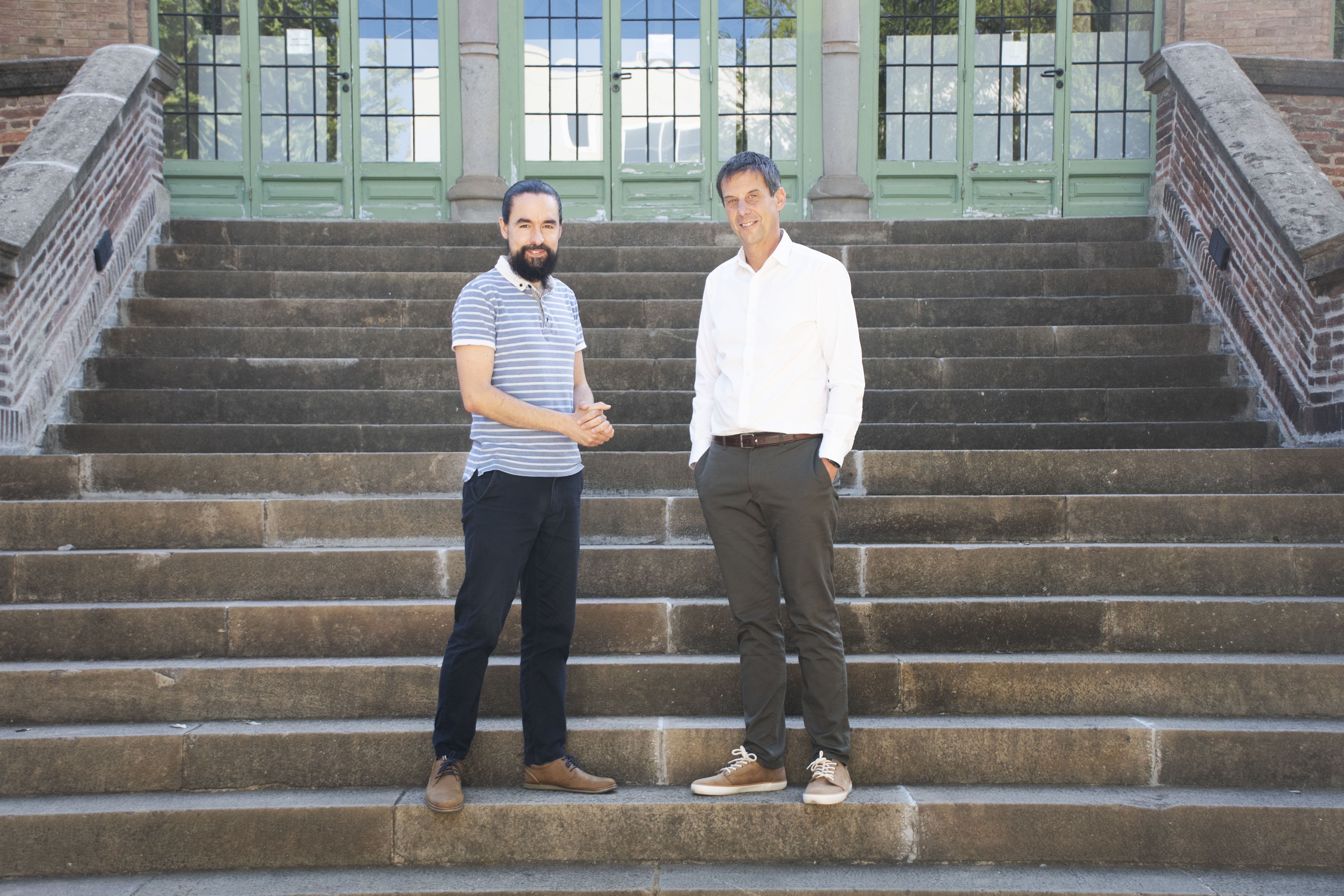
Jordi y Pedro

Microomics strengthens its management team to boost growth

By | Uncategorized

Microomics Systems S.L., a leading Spanish metagenomics company and a leading partner of comprehensive microbiome analysis services, has announced a restructure of its executive team in order to embark on a new growth phase. 

Co-founder, and current CEO, Pedro González Torres will take on the role of Chief Scientific Officer (CSO), leading the company’s scientific and technical strategy, driving the development of new services and metagenomic solutions. This will expand the portfolio and consolidate Microomics’ position as a key partner in microbiome analysis. 

Having guided the company from its beginnings to become a leading business, Pedro is handing over executive leadership to Jordi Navarro Oller, who joined as CEO last March. Jordi has 30 years’ experience in the healthcare and life sciences industry, having developed his career at companies including Bio-Rad, Amersham Pharmacia Biotech, Siemens Healthineers and Grifols. His strong track record in commercial leadership, both nationally and internationally, will be instrumental in accelerating Microomics’ expansion into new markets. 

This new structure will enable Microomics to prepare for a period of strategic growth and strengthen its position and capabilities to innovate in the microbiome analysis field. 

27 junio: Día Mundial del Microbioma.

27 June: World Microbiome Day.

By | Uncategorized

 World Microbiome Day: 27 June 

Launched in 2018 by APC Microbiome Ireland, an SFI centre at University College Cork, World Microbiome Day aims to raise public awareness of the importance of microorganisms in all ecosystems. 

Since then, on 27 June each year, the scientific, clinical and industrial communities have come together to share advances and resources, and to promote open and responsible microbiome science. The 2025 edition is organised under the slogan ‘Microbiome 101: What You Need to Know’, reflecting the commitment to making information accessible while maintaining rigour. 

The global agenda of activities, educational materials and calls for events are available on the conference’s official website at worldmicrobiomeday.com. 

We have spoken many times about the role of microorganisms in practically all ecosystems. Our work supporting researchers and companies gives us detailed knowledge of many research fields at a national and international level. Today, we have compiled a list of the more than 55 different matrices that we have worked on, categorised by one of the major areas of microbiome study: 

  • Clinical and Pharmacology: Diagnosis of digestive diseases, development of bacterial therapies, response to immunotherapy, involvement of the microbiome as a diagnostic or prognostic co-factor in oncological, endocrine, psychological, dermatological and reproductive pathologies. 
  • Nutrition and Public Health: Interventional studies evaluating the mechanisms of action and targets of prebiotics, symbiotics and postbiotics, personalised postbiotics and dietary guidelines based on microbial profiles. Studies of the relationship between the microbiota and other systems, such as the gut-brain axis and the skin-gut axis, are also conducted. 
  • Agriculture and Soil: The biostimulant effect can be used for soil regeneration, biological pest control and drought resilience through plant-microbiome engineering. It can also be used to increase sustainable productivity, sometimes as part of a circular economy. 
  • Ecology and climate: Modelling of the carbon and nitrogen cycles, habitat restoration, monitoring of pollutants, and study of the ecological niches of endangered species and environmental impact. The microbiome plays a significant role as a bioindicator of human impact, helping us to understand these cycles in open systems. 
  • Industry and the Bioeconomy: This includes precision fermentation, the production of customised biopolymers and enzymes, and bioremediation. Metagenomics can be used as a biomanufacturing and mining tool to explore genes with high industrial potential in biofermentation processes. 
  • Veterinary and Aquaculture: Microbiomes that improve productivity, animal welfare, food safety, health, reproduction and animal nutrition. Analysing microbiota through massive sequencing technologies has transformed animal nutrition and reproduction, facilitating sustainable and scalable production by providing a mechanistic understanding of immune and metabolic processes. 

Microomics has played a key role in the development of various industries and research fields, many of which have emerged in recent years. 

Can you think of any other applications? Join the conversation in the comments below, or email us at info@microomics.com. We’d love to collaborate with you and help to increase the impact of your project. 

16 junio: Día Internacional de la Biotecnología

16 June: International Biotechnology Day

By | Uncategorized

This date commemorates the US Supreme Court’s 1980 ruling that a genetically modified bacterium was patentable. 

Biotechnology is a success story of collaboration between research and industry, turning laboratory breakthroughs into solutions that are already improving the lives of millions of people. This includes gene therapies and RNA vaccines developed in record time, as well as applications in bioremediation, the industrial production of molecules and the improvement of agricultural soils. 

Many major milestones have been reached in the last 20 years, but there are still many more to come, such as the search for and synthesis of new antibiotics and the decarbonisation of industry. 

  • 2006: iPS cells (induced pluripotent stem cells). Japanese researcher Shinya Yamanaka discovered that somatic cells could be ‘reprogrammed’ using a combination of transcription factors, known as the ‘Yamanaka cocktail’. 
  • 2010: First synthetic cell (JCVI-syn1.0). 
  • 2012: CRISPR-Cas9, for which Charpentier and Doudna were awarded the Nobel Prize in Chemistry. However, Francisco J. Mojica (University of Alicante) coined and popularised the term CRISPR, identifying and characterising these regions, thus laying the foundations for the subsequent ‘CRISPR-Cas9 molecular scissors’ tool. 
  • 2013–2014: Organs-on-chips and organoids: 3D models that accelerate drug discovery and reduce the need for animal experimentation. 
  • 2017: The first CAR-T therapies are approved. The era of personalised immunotherapy begins. 
  • 2020: mRNA vaccines against SARS-CoV-2. 
  • 2022–2024: Base and prime editing: versions of CRISPR that correct specific DNA sequences without creating double-strand breaks. 

Omics techniques are a fundamental tool for studying the great variability of matrices, factors, molecules and possibilities of biological systems. Behind every landmark there are thousands of gigabytes of genomes, proteomes, metabolomes, metagenomes… and the use of omics allows us to understand, predict and map a biological system. 

At Microomics Systems we work to facilitate the use of omics as a tool in research, clinical and industrial development projects. Data integration and analysis is the only way to be able to establish correlations and patterns on which to make decisions. And that data must be free of methodological bias.


Write to us and schedule your initial meeting free of charge. 


19 mayo Día Mundial de la Enfermedad Inflamatoria Intestinal (EII)

May 19: World Inflammatory Bowel Disease Day (IBD)

By | Uncategorized

19 May is World Inflammatory Bowel Disease Day, providing an opportunity to raise awareness of these chronic diseases which have a profound effect on the quality of life of those who suffer from them. Here’s a one-minute summary: 

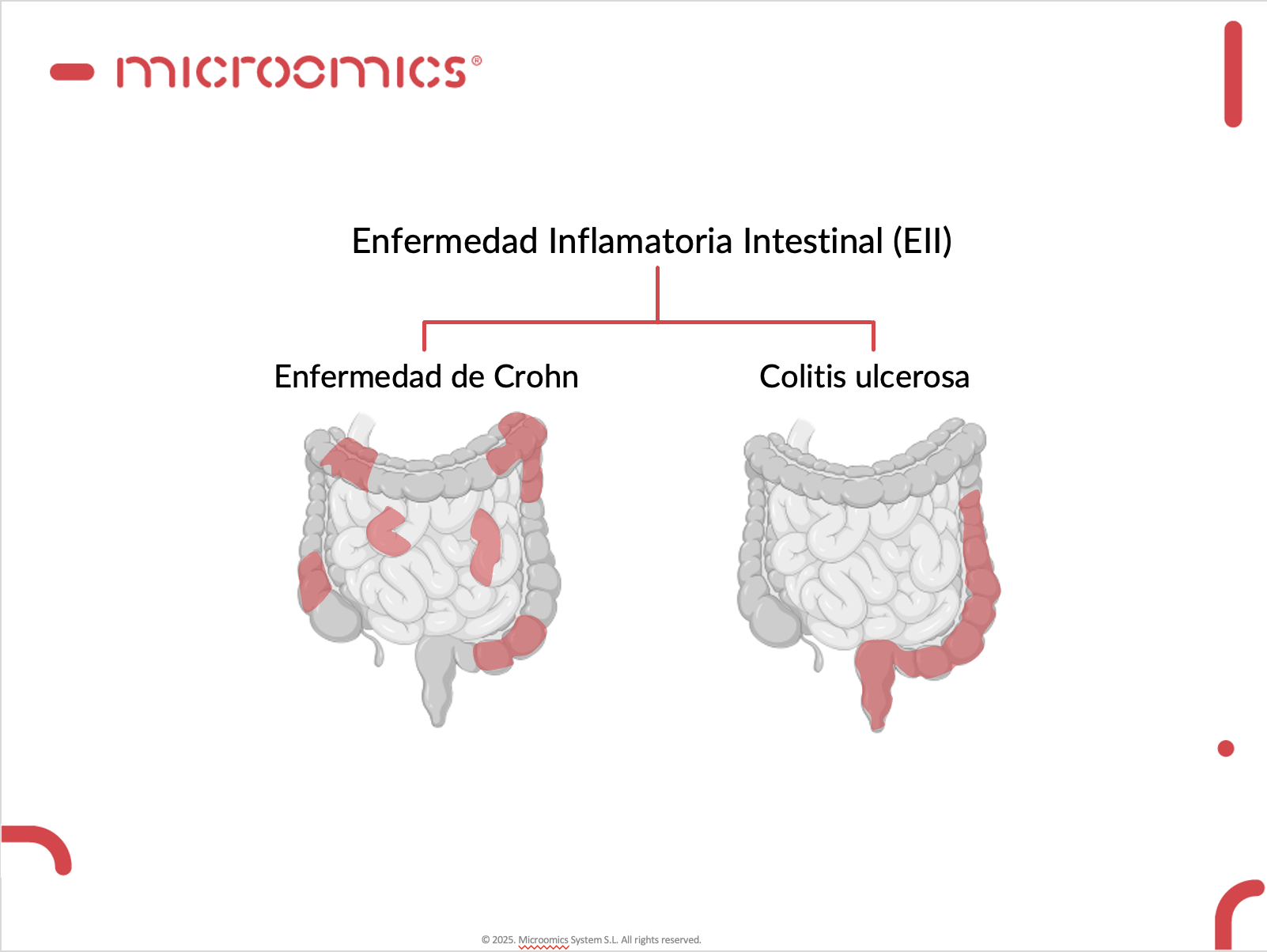
IBD encompasses two main groups of diseases: Crohn’s disease and ulcerative colitis. Both are characterised by persistent inflammation of the gastrointestinal tract, and both are divided into subgroups. However, they differ in their location and characteristics. 

  • Ulcerative colitis primarily affects the colon and rectum, causing ongoing inflammation of the intestinal lining. 
  • Crohn’s disease, on the other hand, can affect any part of the gastrointestinal tract, from the mouth to the anus, and impact all layers of the intestinal wall. 

In addition to digestive symptoms, many patients experience extraintestinal symptoms, including arthritis, eye inflammation, skin conditions and chronic fatigue, among others. The disease can have a significant social and emotional impact, particularly on young adults, who tend to be the most affected group and have more social commitments and everyday activities, such as eating out (Q. Guan, J. Immunology Research, 2019).


What causes IBD? 

IBD is a multifactorial disease, although the exact cause is not fully understood. 

Genetic factors 

  • There are more than 200 genetic variants associated with an increased risk of IBD, but these alone do not determine the onset of the disease. The three main variants identified in genome-wide association studies (GWAS) are: NOD2 (R702W, G908R and 1007fs), IL23R (rs11209026) and ATG16L1 (rs2241880). 

Immunological factors: 

  • IBD is associated with a dysregulated immune response, whereby the immune system attacks healthy intestinal tissue. This leads to chronic inflammation and the overproduction of cytokines, such as TNF-α, IL-6 and IL-1β. 

Environmental factors: 

  • Smoking, stress, diet and prolonged use of antibiotics or anti-inflammatory drugs may play a role in the onset or exacerbation of symptoms. 

Alterations in the intestinal barrier: 

  • A defect in the integrity of the intestinal mucosa may facilitate the entry of inflammatory substances and trigger an exacerbated immune response. 
  • A reduction in beneficial bacteria, such as Faecalibacterium prausnitzii and Roseburia spp., which have anti-inflammatory properties, such as producing short-chain fatty acids, such as butyrate. 
  • An increase in pro-inflammatory bacteria, such as certain strains of Escherichia coli (especially the adherent-invasive strain in Crohn’s disease). 
  • Decreased microbial diversity, which weakens the gut ecosystem’s ability to resist perturbations. Some microorganisms may activate inflammatory pathways or evade control by regulatory T cells. 

The IBD-microbiota relationship 

Intestinal dysbiosis can contribute directly to the onset, continuation and worsening of chronic intestinal inflammation. 

Patients with IBD have an altered microbiota compared to healthy people.


Is there evidence for probiotics for IBD? 

It has to be taken into account that not all patients will respond in the same way, as IBD depends on the aforementioned factors. 

  • Bifidobacterium longum 35624 has been shown to improve clinical symptomatology in ulcerative colitis in animal models and clinical trials. 
  • Escherichia coli Nissle 1917 competes with pathogens, modulates the immune response, and strengthens the intestinal barrier. 
  • Lactobacillus rhamnosus GG. The evidence for its use in IBD is more modest, but some studies in children with ulcerative colitis have shown an improvement in clinical and mucosal response. 

At Microomics, we work together with researchers, hospitals and companies to tackle IBD using omics sciences. Studying the microbiome enables us to address dysbiosis and alleviate symptoms, as well as provide evidence about the cause. This is sometimes achieved by examining the faecal microbiome in children. 

As IBD is such a complex pathology, reducing bias and methodological errors is fundamental to finding informed answers. This is why adequate sampling design, the selection of appropriate technology and the correct analysis pipeline for correlating data with other variables (e.g. biochemistry) are so important. 

Leave us a message on our website and tell us about your project. We will then arrange a free initial meeting to advise you on designing the assay with our 360° platform. 

Bibliography: Q. Guan, J. Immunol. Res., 2019; Groeger et al., Gut Microbes, 2013; Kruis et al., Gut, 2004; Bousvaros et al., 2005.